ROAD TRIP CHECKLIST
Make sure your vehicle is up to date on all inspections
Check your tires’ air pressure and compare to the sticker in your door jamb. (Learn how by clicking here.)
Check your tires’ tread both visually and with the penny test.
If you need to find a new tire or tires, use the Find a Tire tool at the top of the page.
Frequently asked questions
BFGoodrich answers your most asked questions.
FAQ
Check pressure on all four plus the spare when cold, against the placard in your door jamb. Check tread depth with the quarter test or a gauge. Scan each sidewall for cuts, cracks, and bulges. Confirm the jack, lug wrench, and any locking lug key are actually in the vehicle. Confirm your roadside assistance details are accessible without cell service.
Because on many routes the next service station is a long way off, and a usable spare is what turns a flat into a thirty-minute delay rather than a long wait. Spares sit ignored for years and lose pressure. Check it cold with the others using the pressure printed on the spare itself, often around 60 psi.
Heat-related failure from underinflation, which is why the pre-trip pressure check matters most. Punctures from road debris and gravel on shoulder sections. And blowouts from pre-existing damage that was never inspected. All three are largely prevented by a five-minute check before you leave.
Check each morning before you drive, when tires are cold. Do not bleed air from tires that are hot from highway running or sun exposure. Canadian trips can cross large temperature swings between regions and between day and night, and that shifts your pressure meaningfully over a few days.
A fully loaded vehicle sits closer to its maximum load rating, which usually means a higher recommended pressure. Many door placards list a separate loaded figure. Use it when you are carrying passengers and gear, and return to the standard figure afterward. Roof boxes add both weight and drag, so factor that in too.
Related pages
-
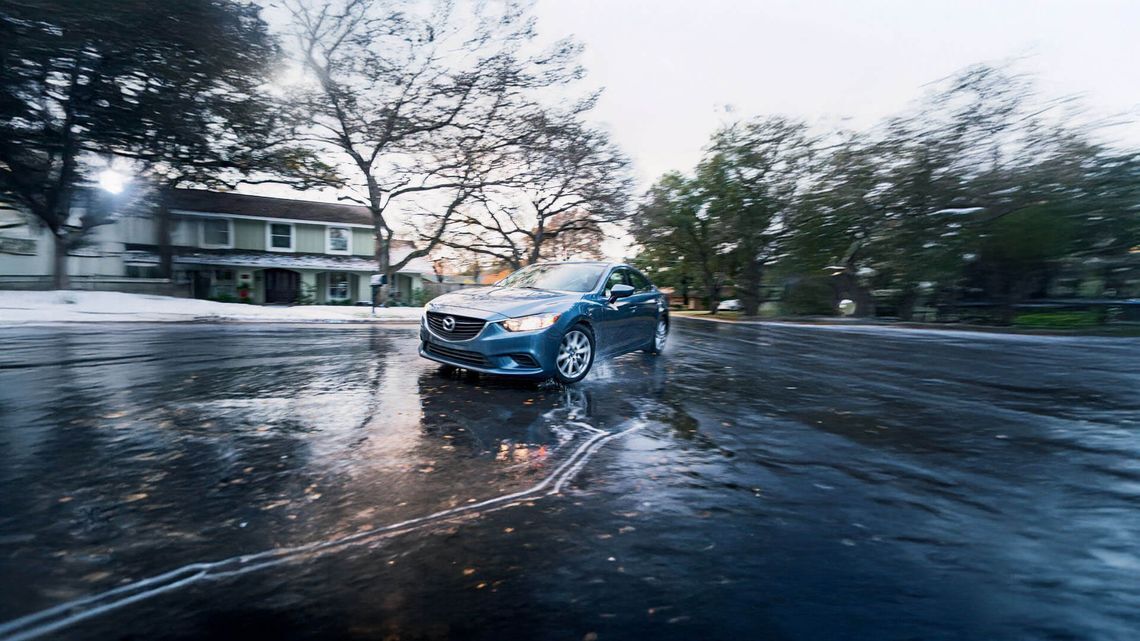
WET DRIVING
There’s a trick to driving in wet conditions. You ready? Here it is. SLOW DOWN. Seriously, if more drivers would heed this advice in the rain, accidents would dramatically decrease. Wet weather doesn’t get the same attention as snow and ice, but it should. Wet roads present similar dangers—like less grip and longer stopping distance.View more -
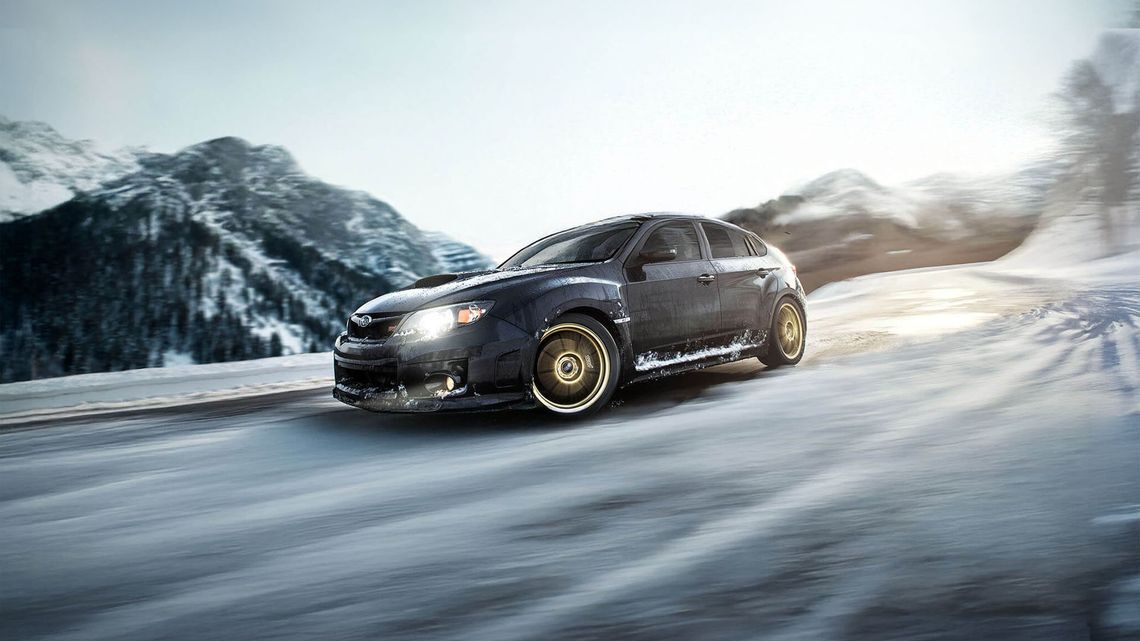
WINTER DRIVING
You don’t have to live at the North Pole to benefit from winter tires. If you frequently encounter snow or ice, or if the temperature is consistently below freezing, well, you may want to think about moving. However, if you like that kind of weather, your tires are going to need the extra grip and turning capabilities that only winter tires can deliver. Even if you have 4-wheel drive or all-wheel drive, you still need winter tires on the front and back to combat the elements and stay safe.View more -

GAS MILEAGE AND TIRES
Some tires grip better. Some last longer. Some are engineered specifically for better fuel economy through lower rolling resistance. Rolling resistance is the energy your tire consumes deforming against the road with every rotation, and it is one of the few fuel variables you directly control. The other is inflation pressure, which costs nothing to get right and which cold weather quietly erodes.View more -
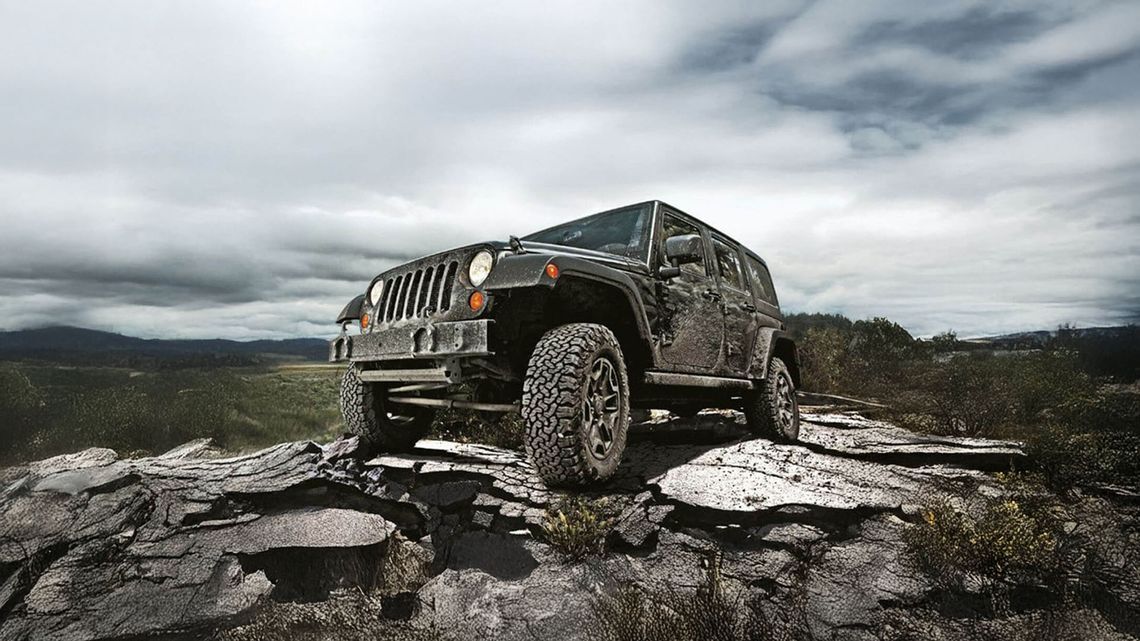
OFF ROAD DRIVING
If you’re going to learn, learn from the experts. BFGoodrich Tires has 24 SCORE Baja 1000 wins and 70 overall four-wheel SCORE Desert Race titles. So yeah, we own the off-road. Off-road driving can be fun, especially when it’s intentional. But, it’s a different kind of driving. We recommend you understand the basic techniques, so you don’t get stuck in a precarious situation.View more