IF YOUR TIRE IS DAMAGED
If you find any tire damage, you may be able to determine the damage results by clicking here, but don’t chance it. Be sure to ask an authorized tire retailer to inspect your tire. There could be some unseen damage on the inside.
To find the perfect new tire for your vehicle, use our handy Tire Selector tool.
Frequently asked questions
BFGoodrich answers your most asked questions.
FAQ
Wear bars, also called tread wear indicators or TWI, are raised rubber ridges moulded into the bottom of the main tread grooves at 1.6 mm. When they were new they sat well below the tread surface. When the tread wears down level with them, the tire has reached its legal wear limit and must be replaced.
Inside the main circumferential grooves, running across the groove floor. Many tires mark their location with a small triangle, the letters TWI, or a brand symbol on the shoulder or lower sidewall so you know which groove to look into. Check them in several places around the tire, because wear is rarely even.
It maps wear patterns to causes. Both shoulders worn means underinflation. Centre worn means overinflation. One shoulder worn means a camber or toe alignment issue. A cupped or scalloped surface means imbalance or worn shock absorbers. Feathering across the tread blocks means a toe problem. Each pattern points at a specific fix.
Chronic underinflation. With too little pressure the tire flexes excessively and the shoulders carry more load than the centre. Underinflated tires also build heat, hurt fuel economy, and in severe cases fail structurally at speed. Cold Canadian weather drops pressure naturally, which is why monthly winter checks matter.
An uneven wavy pattern around the circumference of the tread where high and low spots alternate. It usually indicates wheel imbalance or worn shock absorbers letting the tire bounce rather than maintaining steady road contact. Cupping generates noise and vibration and it is not reversible once it develops.
A bulge or bubble in the sidewall means internal cords have broken and the tire can fail without warning. Any cut deep enough to expose cord material. Any separation between tread and casing. Any tire driven while flat. Tread level with the wear bars. In each of these cases, replace rather than repair.
Related pages
-

TIRE UPGRADE
Tire upgrading, also called plus-sizing, means replacing your original wheels with larger diameter wheels and correspondingly lower profile tires. Done correctly it improves handling through a shorter stiffer sidewall. Done incorrectly it wrecks your speedometer accuracy and ride quality. On Canadian roads there is a specific caution: a lower profile tire is much more vulnerable to pothole and frost heave damage.View more -

5 QUESTIONS TO ASK YOUR DEALERS
When it’s time to buy tires, the last thing you want is to feel intimidated. So make sure you do a little homework before you go. (All of which is found within Tires 101, along with an easy-to-use Find a Tire tool at the top of the page.) We’ve even put together five easy questions to take to your local dealer (find a BFGoodrich Tire dealer near you by using the Dealer Locator at the top of the page), but remember that you can always order it instead of settling for another tire.View more -

MIXING TIRES
There may come a time when you replace two new tires instead of four. If you decide to go that route, be sure that your new tires are the same size and tire type as your current tires, and that your dealer always installs the new tires on the rear axle of your vehicle (as shown in the pdf below).
DOWNLOAD AND VIEW A GRAPHIC ILLUSTRATION (1.1MB)View more -

ALL ABOUT PERFORMANCE TIRES
If your car is high-performance, doesn’t it make sense to have tires that are just as high-performance? The main benefits of performance tires are higher speed* capability, improved handling and maximum dry road grip. (The negative is lower tread life.) But you need to know that all performance tires aren’t the same, which is why many high performance car owners own multiple sets of tires. (They often switch to all-season or winter tires in the fall and winter for improved winter grip.)View more -
SEASONAL TIRES
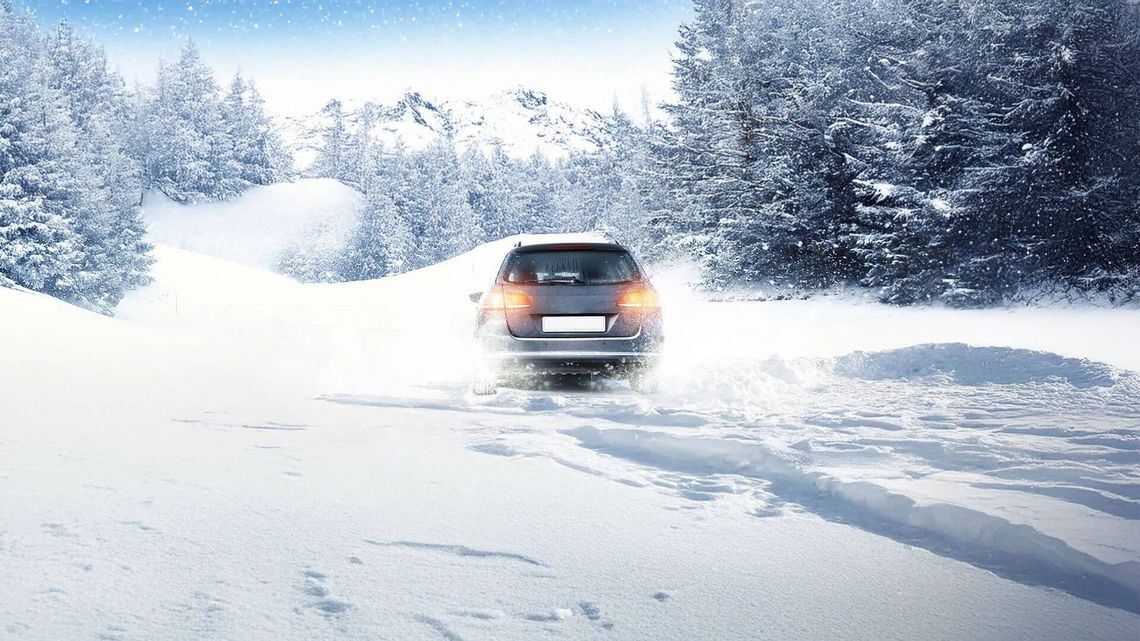
In Canada the seasonal tire decision is not just about comfort, it is about law in some provinces and about stopping distance everywhere. All-season tires handle moderate conditions but they are not winter tires, and in Quebec they are not legal between December 1 and March 15. Winter tires should go on when temperatures consistently approach 7°C and come off when they are consistently above it.View more