But, as the saying goes, they’re really big in Japan.
We sat down with Tokyo-based automotive journalist Dino Dalle Carbonare to uncover how the humble, utilitarian Dodge van became a cult icon, and even the centre of a dedicated racing circuit, on the other side of the world.
Photo Credit: Dino Dalle Carbonare, Speedhunters
Only in Japan
Photographer, car enthusiast, and co-founder of Speedhunters, Dino Dalle Carbonare’s passion for cars runs deep. Born in Italy, he grew up treating automobiles as works of art. His earliest memories include standing trackside at hill climbs with his family before moving to the UK at age eight.
In England, Dino spent hours flipping through car magazines at local bookshops, studying every page of glossy photos and technical specs. That’s where he realized his path, he would become an automotive journalist. By 17, he had relocated to Japan, where car culture isn’t just a hobby, it’s a lifestyle.
“This Dodge van phenomenon is something that could only happen in Japan, where everybody wants to create or expand on their own ideas, no matter how weird or bizarre other people may think they are. Car culture is different here. Standing out is very important. But you’re not trying to impress the whole world. It’s all about your niche community. And ironically, that’s how to create something that the whole world notices.” – Dino Dalle Carbonare
Why Dodge Vans?
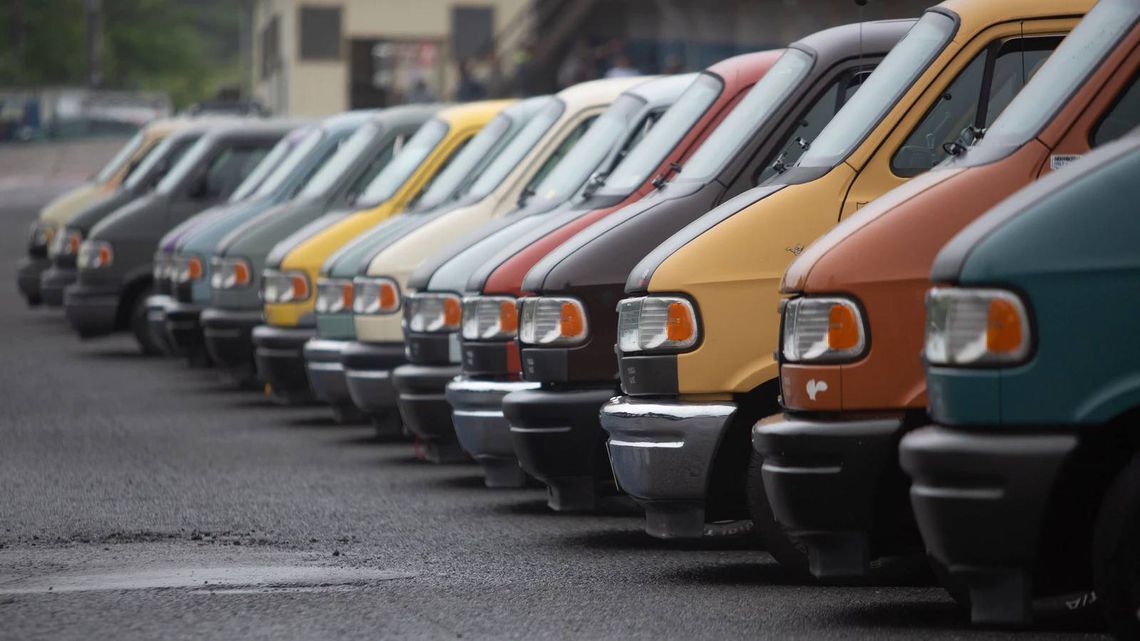
Dajiban, the Japanese pronunciation of Dodge Van, typically begins with a secondhand Dodge Ram from the 1980s, 1990s, or early 2000s. These vans are common in North America but largely unwanted, making them affordable and easy to import into Japan.
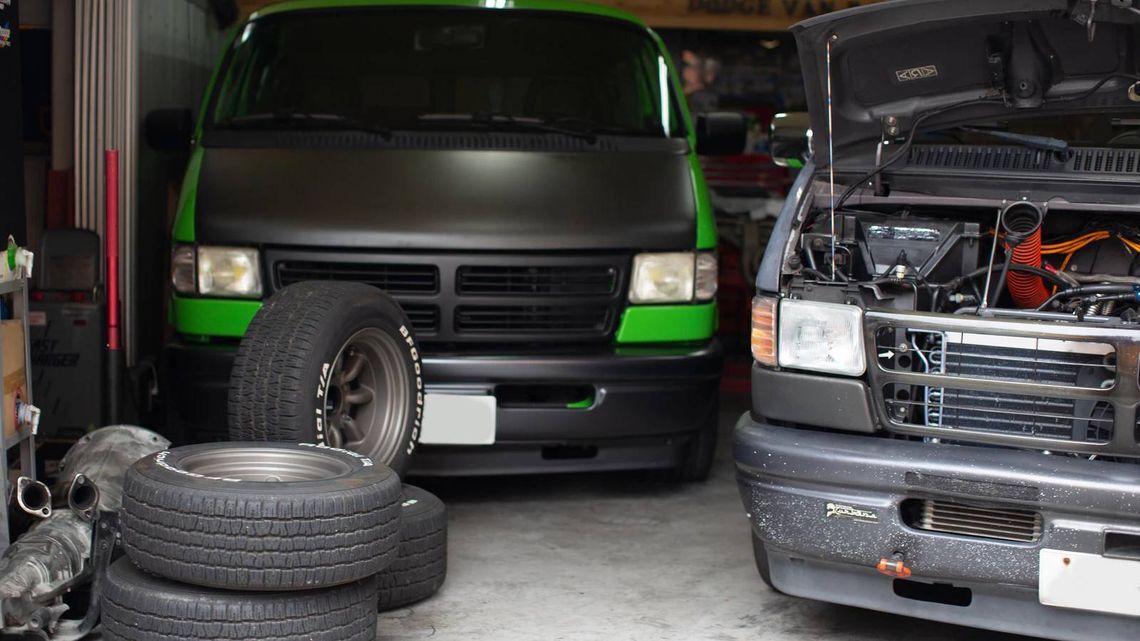
In the mid-2000s, they caught the attention of motorcycle racers who needed a reliable way to transport their bikes. The vans’ wide, boxy stance and ample space made them perfect for the job, and their unmistakably American style turned heads on Japanese roads even without modification.
More than Utility
For years, Japanese motorcycle racers relied on vans to haul bikes and gear. They were practical, but cool in their own way, radiating that oversized American charm.
“The Japanese embrace American culture not only in cars but in everything. If it's foreign, it's American. You see a lot of muscle cars in Japan. Rat rods and hot rods of all types. If you hang around the right circles, you’ll see a lot of Corvettes and Chargers as well. A bit of America is never hard to find in Japan.”
The Dodge van’s leap from workhorse to race icon started, fittingly, as a joke. During a break at a motorcycle race, one competitor finished lunch early and decided to take his van for a lap around the empty track.
A full-sized Dodge van on a racetrack is like putting a hippo in a tutu, but it worked.
“People were just dying laughing seeing this thing barely make it around the corner. But it did make it! And then another guy took his van out, claiming he could go faster. And another. And another. It spiraled from there. Just a bunch of guys trying to outdo themselves to be faster but also funnier. Because that’s what Dajiban always has been: a bit of fun among friends.”
A Circuit is Born
From that day forward, Dodge vans in Japan weren’t just delivery vehicles anymore. Owners began tuning and modifying their vans to return each year, faster and louder than before.
Today, Dajiban has grown into a full-blown motorsport community, hosting several events annually and culminating in the D-Van Grand Prix, usually held in June at the Ebisu Circuit in the Fukushima mountains.
The event is as much a gathering as it is a race. Participants typically spend the night before prepping and the night after celebrating. June’s rain makes for slippery conditions, and even more entertaining laps.
“I’ve had the chance to ride in one of the vans,” Dino says. “These drivers are wild. I couldn’t believe what they were doing with this box on wheels, the driver barely touched the brakes, just grinning the whole time.”
The prize? A trophy, a few coveted stickers, and bragging rights until next year.
What Makes a Stock Dodge Van a Dajiban?
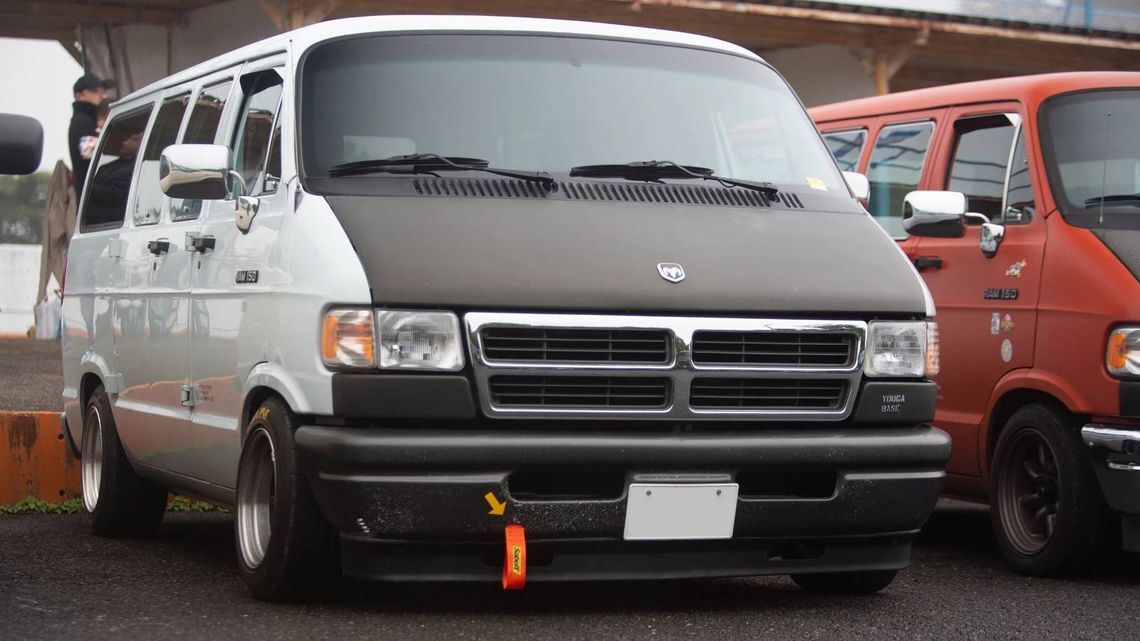
The relatively low cost of importing used vans leaves plenty of budget for customization. The Dajiban scene is DIY at heart, more about expression than prestige. Still, there are a few signature mods that define the look:
Lowered stance, as low as safely possible
8-spoke wheels (often Watanabes) in 15" or 16" sizes
Precision wheel fitment, down to the millimetre
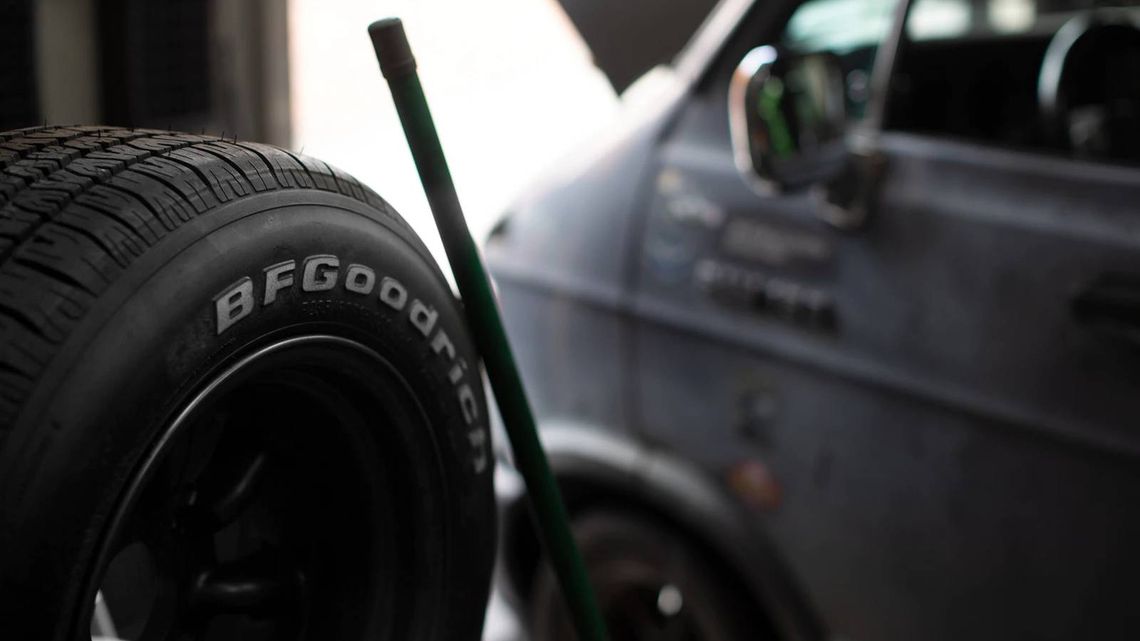
BFGoodrich Radial T/A Tires, for their classic performance look
Upgraded brakes (Ferrari Brembos are a favourite)
Yellow-tinted headlights
Side-exit exhaust
Racing seats
Optional engine swap for serious speed
Front air dam and rear diffuser
Personal decals, stickers, and mirror trinkets for character
“One thing about the Japanese is that they really know how to nail stance. I come from Italy and I see a lot of Italian cars here that are modified with aftermarket parts, and they always make them look so nice! Nicer than they look in Italy. It may also have something to do with the roads. Japan has nice roads, so if you want to ride low and quite stiff, you don’t have to worry about potholes.”
Small Scene, Big Splash
Dino estimates only around 100 Dajibans actively race in Japan, with another 50 or so on the road. It’s a small scene, but one with massive cultural impact.
The D-Van circuit has become internationally famous, inspiring American car enthusiasts to start their own Dajiban builds, even importing vans or parts back across the Pacific.
A full-circle moment: Americans inspired by Japanese builders who were, in turn, inspired by American vehicles.
Now some of the Japanese builders are joking, 'Did you know I’m really big in California?”
From utility to absurdity to artistry, Dajiban embodies what car culture is all about, passion, play, and the thrill of making something uniquely your own.
Frequently asked questions
BFGoodrich answers your most asked questions.
FAQ
A Japanese motorsport subculture built around racing full-size American vans, primarily the Dodge Ram van. The name is a Japanese rendering of Dodge Van. It has its own aesthetic conventions, a competition scene, and a devoted following.
A combination of availability, the platform's mechanical simplicity and durability, and the appeal of doing something nobody expected. The van's characteristics turned out to suit the circuits it was raced on better than the premise implies, which is part of why the culture endured rather than fading as a novelty.
It is genuinely competitive within its own scene, with modified vehicles, real preparation, and a following that has sustained for years. It also carries an obvious sense of humour about itself, which is part of the appeal rather than a contradiction.