PROPER AIR PRESSURE
TIRE CONSTRUCTION
Frequently asked questions
BFGoodrich answers your most asked questions.
FAQ
Fuel economy is how much fuel your vehicle uses to cover a given distance. In Canada it is expressed in litres per 100 kilometres, so a lower number is better. Natural Resources Canada publishes ratings for city, highway, and combined driving. Real-world figures vary with driving style, load, weather, and tire condition.
It depends entirely on vehicle class. A compact sedan may achieve around 7 to 8 L/100 km combined, a mid-size SUV closer to 9 to 11, and a full-size pickup higher again. Compare your vehicle against its own official rating rather than against a universal number, and track whether it is drifting worse over time.
Significantly, and it is the cheapest fix available. An underinflated tire deforms more with each rotation, increasing rolling resistance and requiring more engine effort. That penalty applies to every kilometre. In Canada the effect is seasonal, because cold weather drops pressure and many drivers do not top up until spring.
They can, if you choose a low rolling resistance model and the tires you are replacing were worn, underinflated, or a high-resistance design. Rolling resistance varies meaningfully between models in the same size. New tread is slightly deeper and can add a small amount of resistance at first, which settles as it breaks in.
Slightly, yes. Winter compounds and more aggressive tread patterns typically have higher rolling resistance than summer or touring tires. The trade is worth it for the grip, and keeping them correctly inflated recovers much of the difference. Running them past the point where temperatures rise above 7°C costs you both fuel and tread life.
Driving style is the biggest factor: rapid acceleration and hard braking waste energy on every cycle. Excess weight, roof racks and boxes that create drag, and extended idling all add up. Cold weather itself reduces efficiency through engine warm-up and denser air. Combined with correct pressure, smooth driving delivers the largest total improvement.
Related pages
-

ROAD TRIPS
Luggage is packed. Gas tank’s full. GPS is set. Sunglasses and seatbelt are on. You’re ready to roll, right? Wrong. You still need to check your tires. After all, they’re the only thing between you and the open road. Just follow this simple checklist and you’ll know your tires are fully prepped for your road trip:View more -
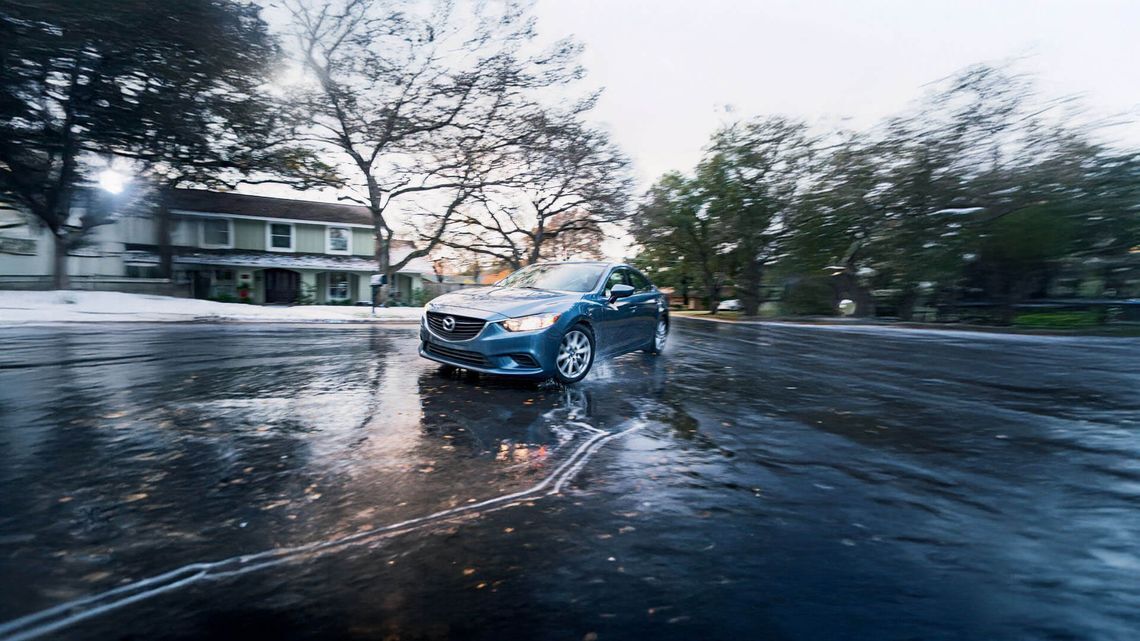
WET DRIVING
There’s a trick to driving in wet conditions. You ready? Here it is. SLOW DOWN. Seriously, if more drivers would heed this advice in the rain, accidents would dramatically decrease. Wet weather doesn’t get the same attention as snow and ice, but it should. Wet roads present similar dangers—like less grip and longer stopping distance.View more -
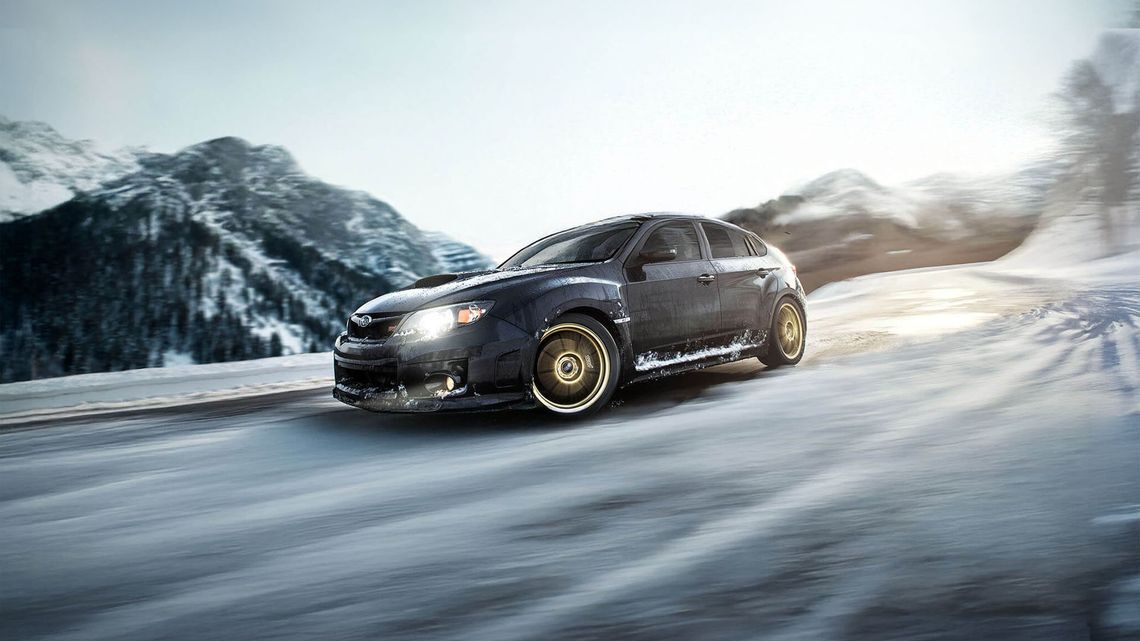
WINTER DRIVING
You don’t have to live at the North Pole to benefit from winter tires. If you frequently encounter snow or ice, or if the temperature is consistently below freezing, well, you may want to think about moving. However, if you like that kind of weather, your tires are going to need the extra grip and turning capabilities that only winter tires can deliver. Even if you have 4-wheel drive or all-wheel drive, you still need winter tires on the front and back to combat the elements and stay safe.View more -
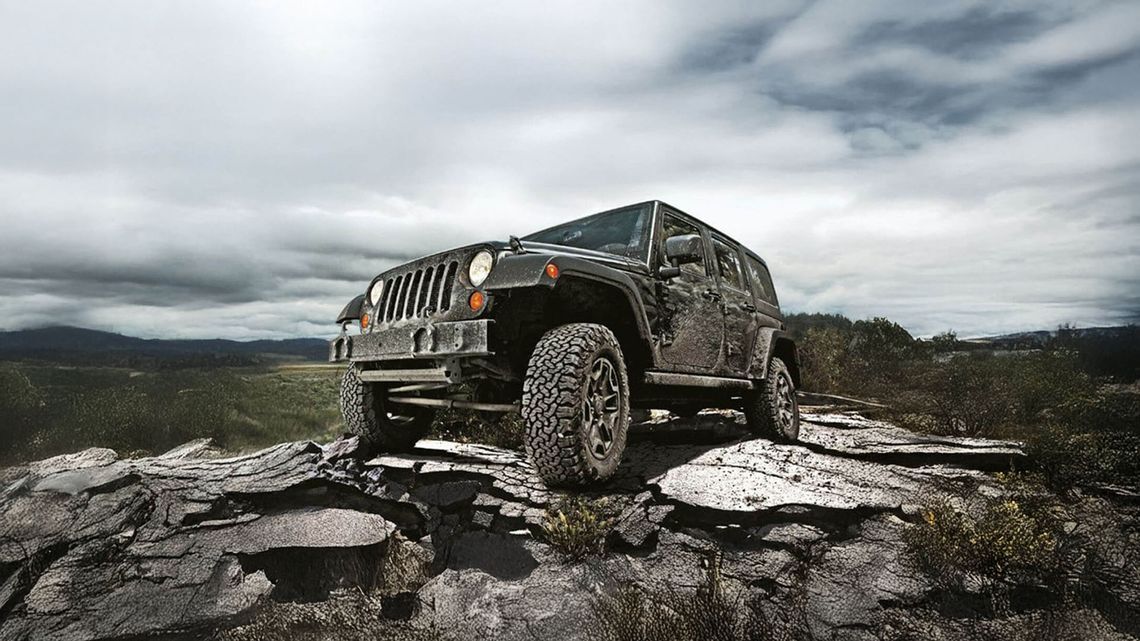
OFF ROAD DRIVING
If you’re going to learn, learn from the experts. BFGoodrich Tires has 24 SCORE Baja 1000 wins and 70 overall four-wheel SCORE Desert Race titles. So yeah, we own the off-road. Off-road driving can be fun, especially when it’s intentional. But, it’s a different kind of driving. We recommend you understand the basic techniques, so you don’t get stuck in a precarious situation.View more