A number of wheel cleaners may contain harsh acids, alkalis and/or detergents that can damage wheels and paint. However, there are products out there that are safe for all brands of tires as well as environmentally responsible.
You can find them at an auto parts dealer near you.
Frequently asked questions
BFGoodrich answers your most asked questions.
FAQ
An acid-free product designed for tires and wheels. Many wheel cleaners on the shelf contain harsh acids, alkalis, or aggressive detergents that damage wheel finishes and vehicle paint on contact. Look specifically for acid-free labelling. Products safe for all tire brands and environmentally responsible are readily available at auto parts retailers.
Plain soap and water is always safe and is the best routine option. Rinse thoroughly, particularly through winter when road salt and brine build up on the sidewalls and wheels. If you use a commercial product, confirm it is acid-free and rinse well afterward. Keep the pressure washer nozzle at a reasonable distance from the sidewall and bead.
Petroleum-based dressings can degrade the antiozonant compounds in the rubber over time, and those are the chemicals protecting your sidewall from cracking. Use water-based products designed for tires, applied sparingly. Avoid anything solvent-based. Given how hard Canadian winters already are on sidewall rubber, this matters more here than in milder climates.
That is antiozonant blooming to the surface. It is a normal chemical process, not a defect. Those compounds migrate outward specifically to protect the rubber from ozone degradation and cracking. Clean it off with soap and water. Avoid petroleum-based cleaners, which strip the protection and accelerate cracking.
Yes. Salt and brine accelerate rubber degradation and corrode wheels, valve stems, and TPMS sensors. Rinsing wheels and tires whenever temperatures allow through winter removes the aggressor before it does lasting damage, and it costs nothing beyond a few minutes at a coin wash.
Related pages
-

TIRE ROTATION
Rotating your tires is not a gimmick. Tires wear at different rates depending on position, and moving them on schedule spreads that wear across all four instead of destroying two. Rotate every 10,000 to 12,000 km, or as your owner's manual specifies. The correct pattern depends on your drivetrain and whether your tires are directional, so confirm both before you start.View more -

TIRE BALANCE
Tire balancing is pretty much what it sounds like. It compensates for the weight of the tire and wheel assembly after the tire is mounted. A wheel is out of balance when one area is heavier or lighter than the rest. That causes bouncing or wobbling, which can decrease treadwear, increase vibration and cause stress on your vehicle. The cure? Correction weights are added to counterbalance the tires.View more -

HOW TO CHECK TIRE PRESSURE
Tires can lose up to 1 psi every month even with no puncture, and cold Canadian weather drops it further. Check all four plus the spare once a month or before any long trip. Buy a trusted gauge, check cold before driving or at least three hours after, press the gauge onto the valve stem, and compare against the sticker inside your driver's door. Never use the sidewall number as your target.View more -
TIRE ALIGNMENT
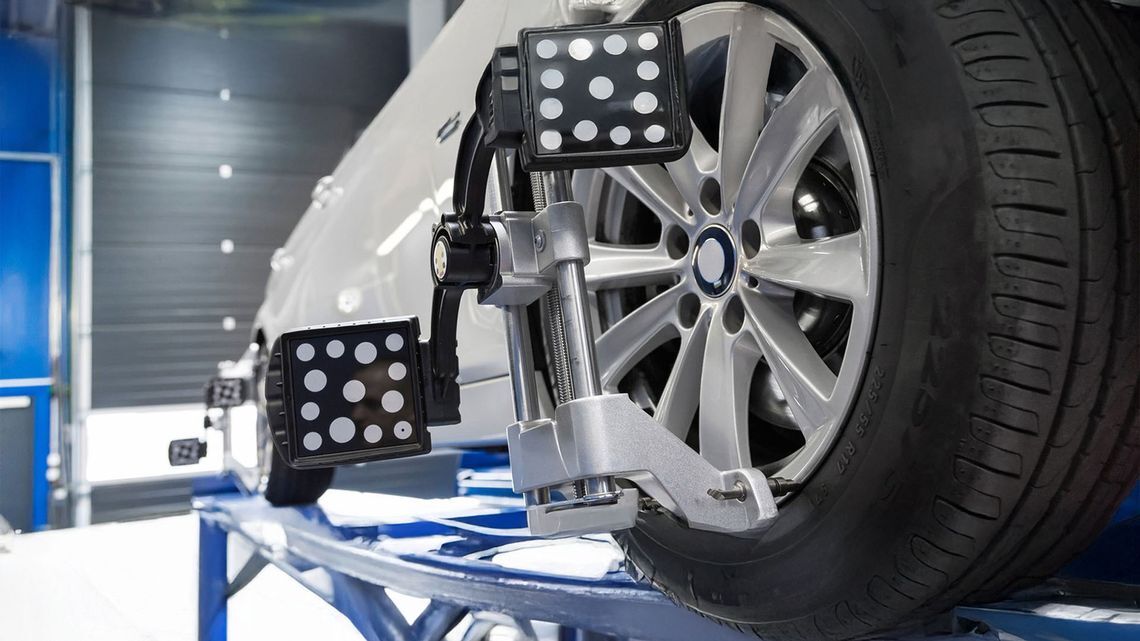
Alignment is the adjustment of your vehicle's front and rear suspension components, and it has to be correct. If the alignment is off, the vehicle is not safe to drive. Three angles are adjusted: caster, camber, and toe. Misalignment scrubs tread away, pulls the vehicle to one side, and makes steering imprecise. On Canadian roads, potholes after every freeze and thaw cycle are the leading cause.View more -

TIRE INSPECTOR TOOL
The quarter test is the fastest tread check in Canada and it costs nothing. Insert a Canadian quarter into a main groove with the caribou's nose pointing down. If the tread covers the nose, you have useful depth left. If the nose is fully visible, your tread is low and replacement should be planned now. Check several grooves across each tire, because wear is rarely even.View more