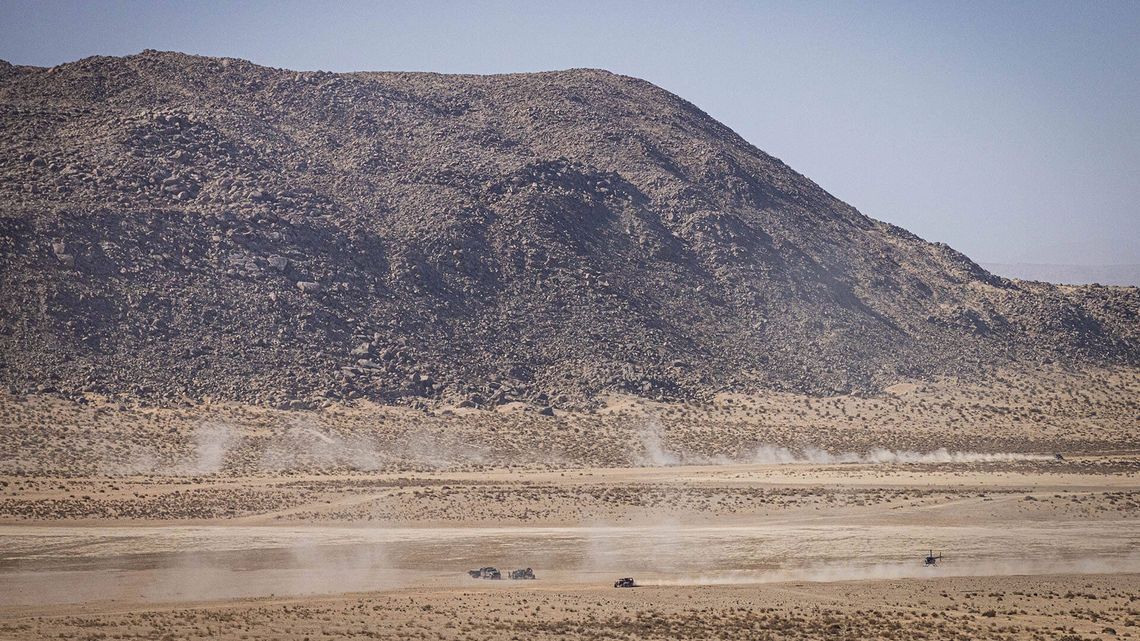
At first glance, Johnson Valley, California looks like a stretch of barren earth, endless sand, scattered rock, and desert wind. But beneath that emptiness lies history. Ancient lakebeds, fossilized river channels, and cliff faces carved from stone billions of years old tell the story of how this harsh landscape was forged.
Before the last ice age, Johnson Valley was a tropical grassland of lakes and rivers, alive with movement and sound. Then, the Sierra Nevadas rose, creating a towering wall that cast a permanent shadow over the region. In its wake, the Mojave Desert was born, one of the driest, toughest places in North America.
By the mid-20th century, the valley had transformed again, this time into a U.S. military training site. The land surrounding Means Dry Lake was known then as "Precision Bombing Range Y." The concrete rings still visible today? Those were practice targets.
And in 2007, the desert changed once more.
Its history remained. Its purpose did not.
It had a new name now.
Hammertown
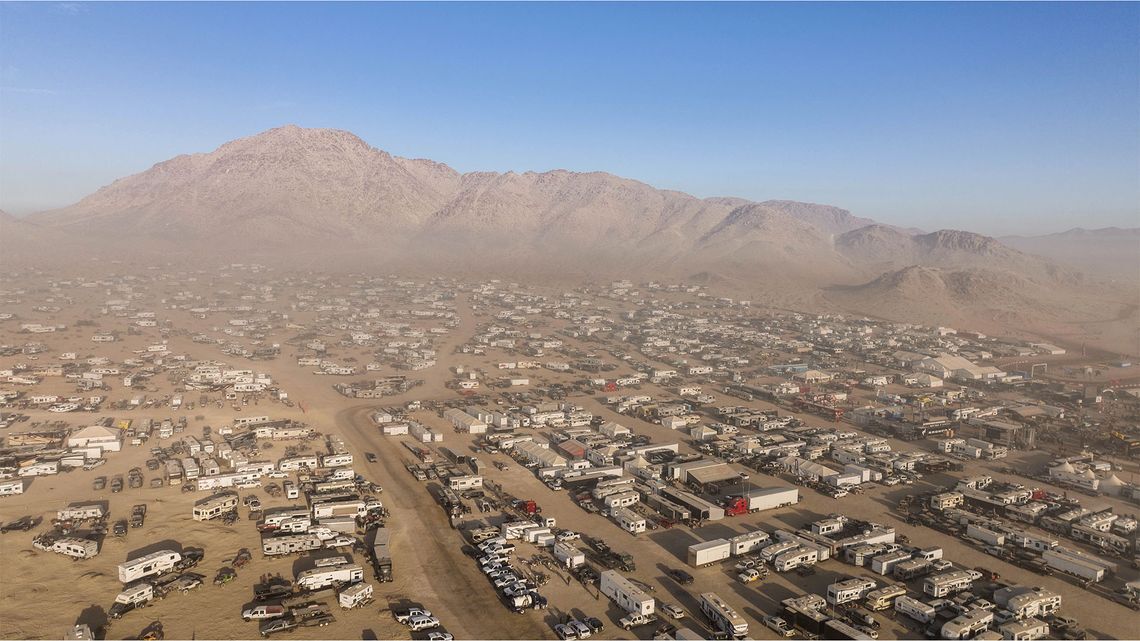
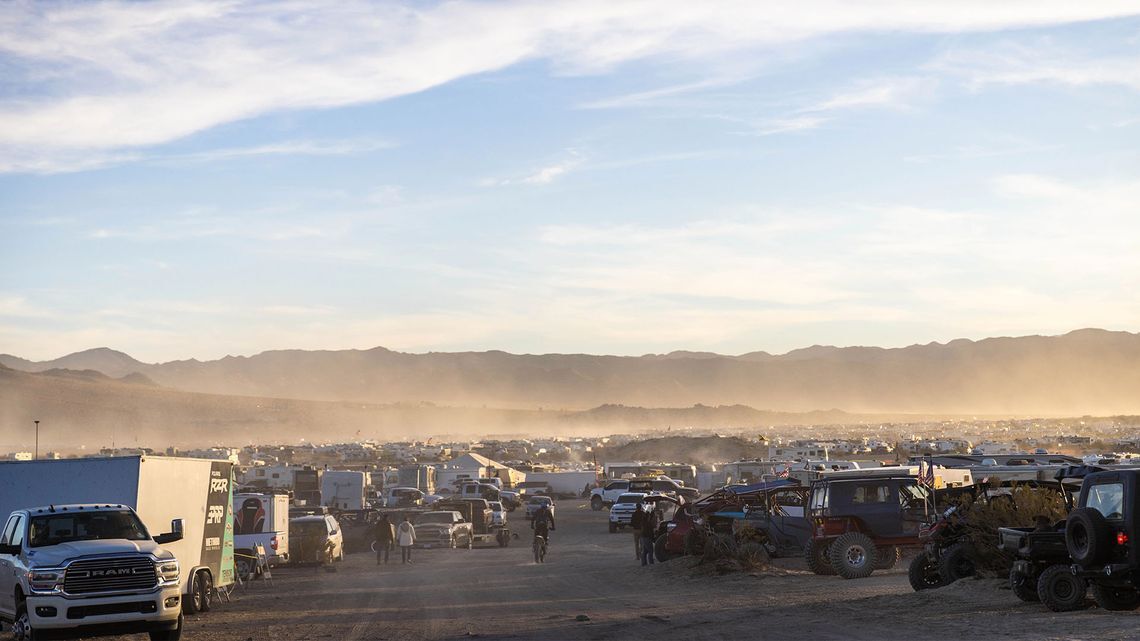
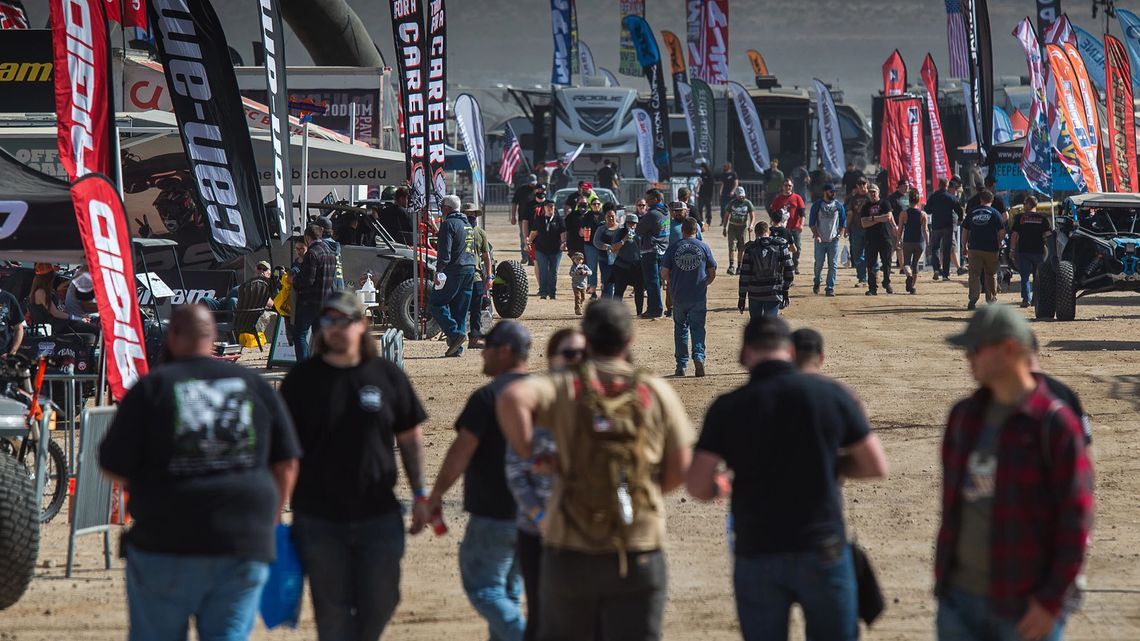
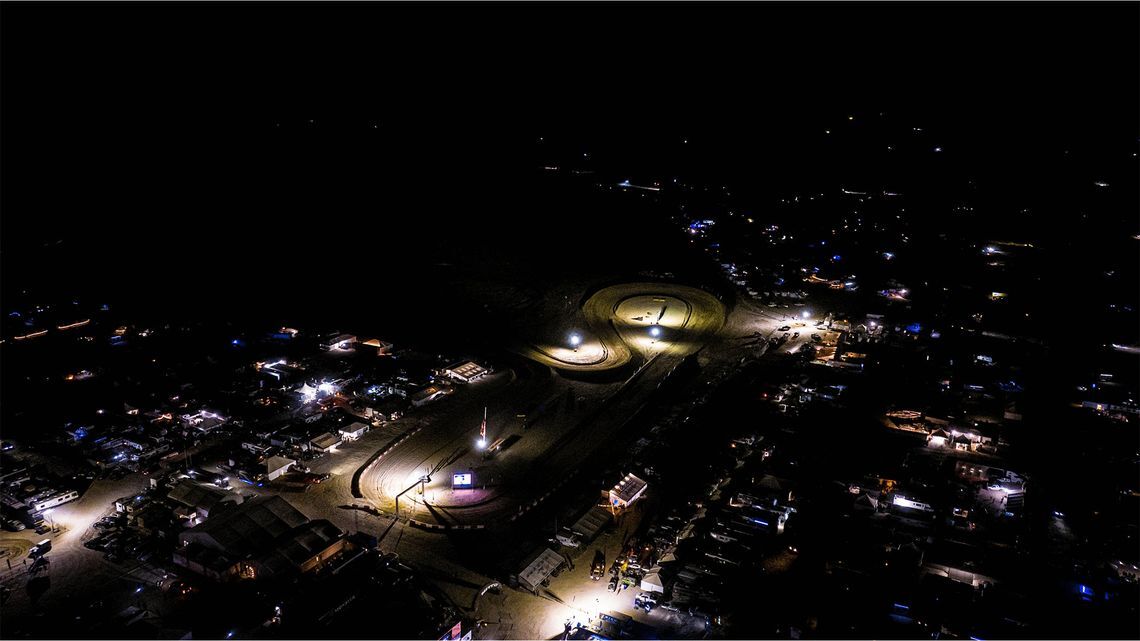
Once a year, this remote valley comes alive, a city built from nothing. For one week, Johnson Valley becomes a 59,000-square-foot grid of tents, RVs, trailers, tow rigs, and race machines.
They call it Hammertown, the beating heart of King of the Hammers, one of the toughest, most anticipated off-road events in the world.
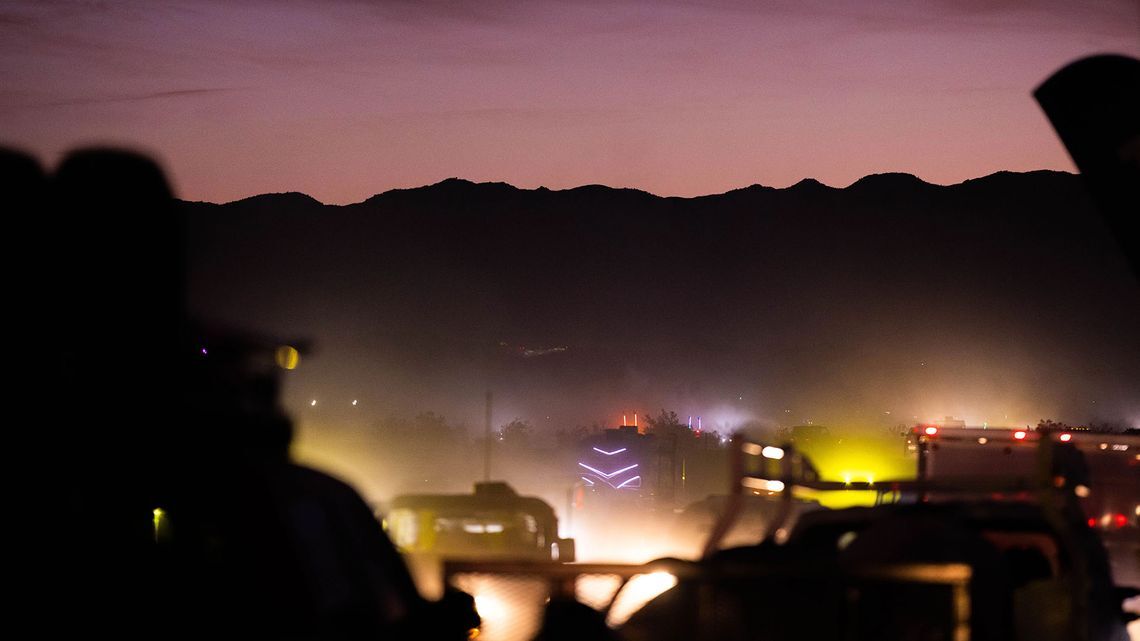
For seven days, it’s a fully functioning desert metropolis, complete with power, sanitation, Wi-Fi, and a planned street layout. It’s home to thousands of racers, engineers, fans, and crews, the world’s best off-road talent gathered in one place.
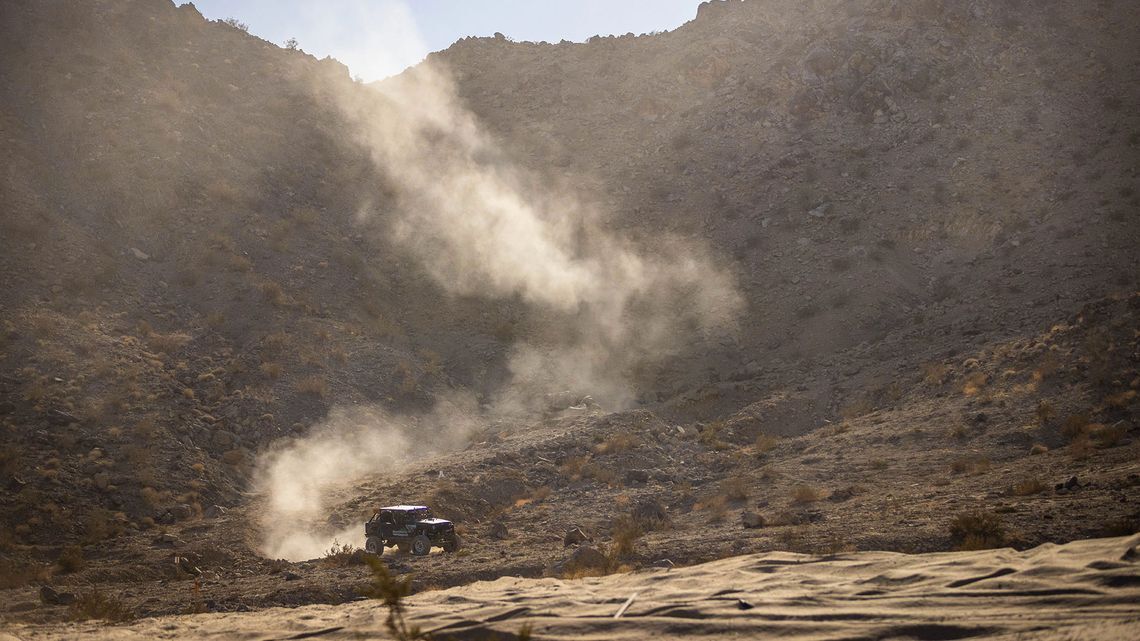
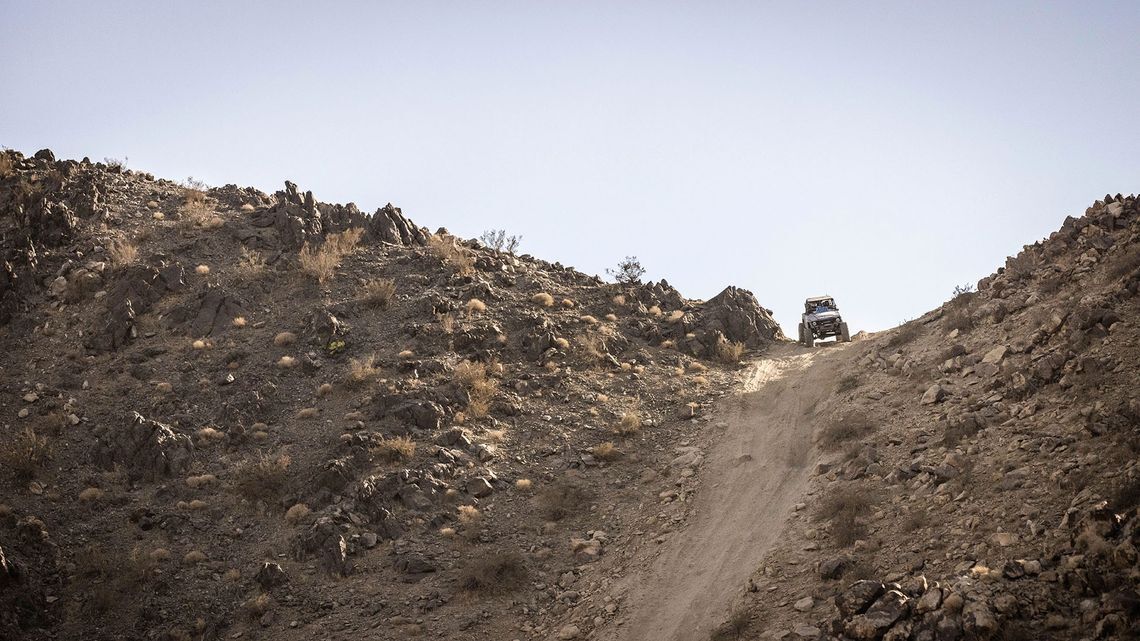
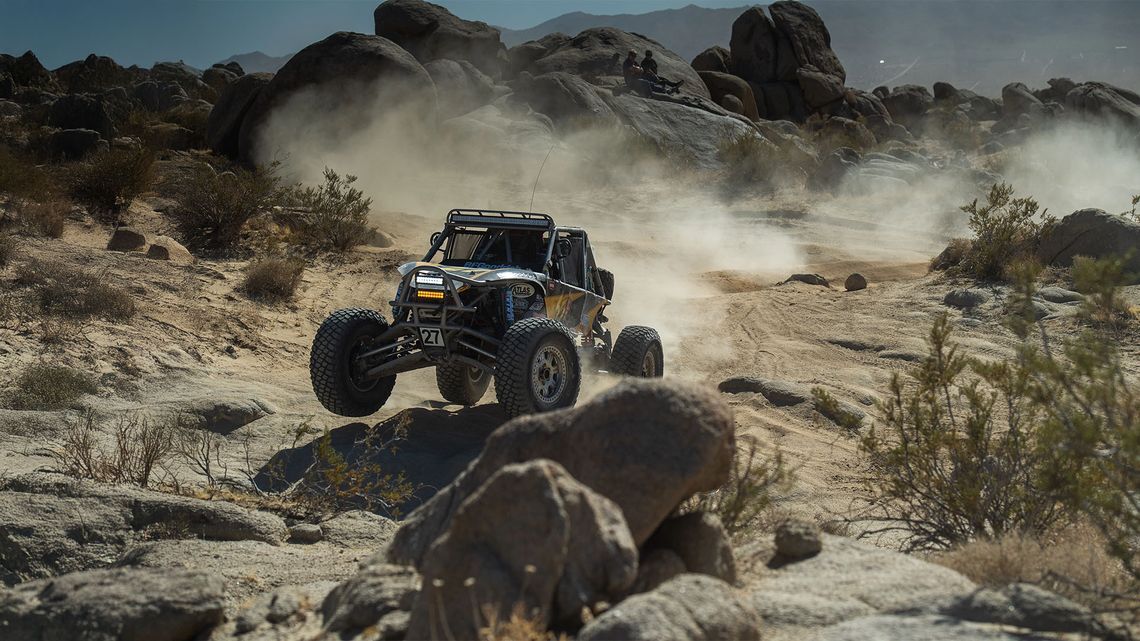
This year, over 60,000 spectators are expected to pack the valley to watch the “Kings” take on the impossible, crawling up canyon walls and charging through open desert at breakneck speeds. Millions more will stream it online from across the globe.
A little over 15 years ago, this was an abandoned bombing range.
So how did it become the crown jewel of off-road racing?
It Started with Two Men and a Napkin
Like all great legends, this one started with an idea scribbled in a bar.
In a San Bernardino pub, friends Dave Cole and Jeff Knoll were swapping stories, sharing drinks, and dreaming up something new. Somewhere between the beers and the laughter, they grabbed a napkin and started sketching a course, a brutal mix of rock climbs, canyons, dunes, and dusty flats.
Cole was a rock crawler with connections at the Bureau of Land Management, which oversaw Johnson Valley after the military moved out. Knoll was a desert racer with experience organizing competitions. Together, they built something that bridged both worlds, and redefined off-road racing forever.
Year one was humble. A Friday race with a dozen entrants, friends, friends-of-friends, and a few complete strangers. No sponsors. No starting gate. No entry fee. The start was a shotgun blast. The finish line? Just wherever the dust cleared.
The grand prize was a case of beer, and the promise that “since you raced this first one, you won’t have to qualify when we get really big.”
Getting Really Big
The idea that this backcountry race would ever grow was laughable. The course was remote, punishing, and built for a kind of vehicle that didn’t even exist yet.
But Dave and Jeff weren’t chasing scale, they were chasing challenge. Their friendship, built on rivalry and mutual respect, shaped everything about the event. One was a crawler, one was a racer, and both wanted to prove that their world was tougher.
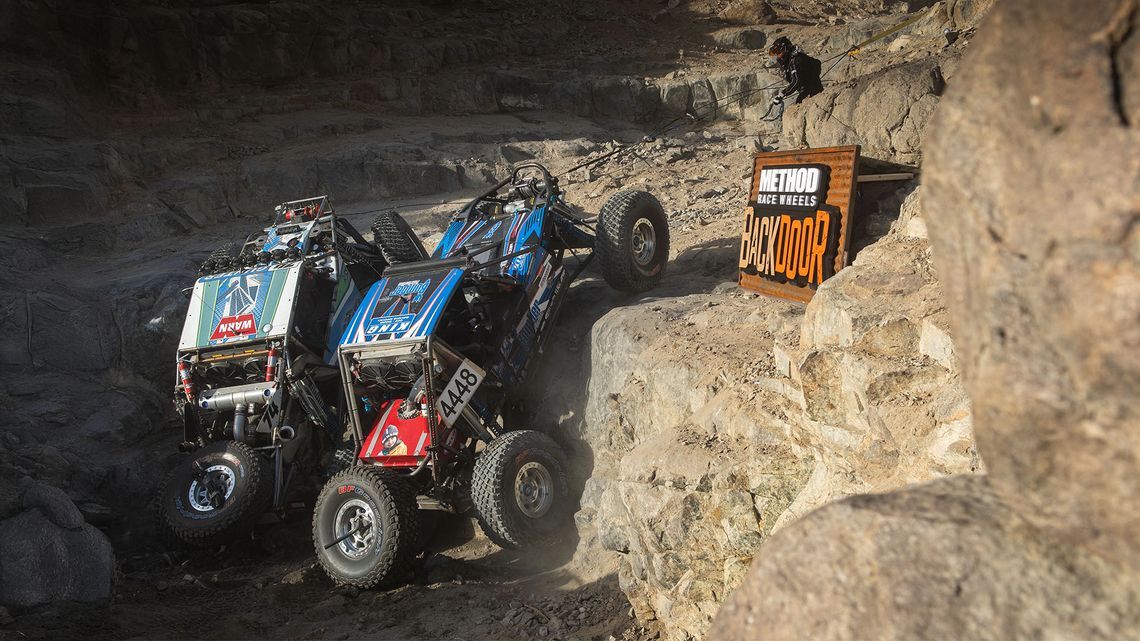
The first real spark came when Jeff posted to an off-road forum, asking: “How fast could someone run eight trails consecutively at the Hammers?” Dave replied with a $100 bet that no one could do it in under five hours.
The replies blew up. The next race had 50 entrants, a mix of desert racers and rock crawlers. And when Shannon Campbell came from dead last to take the win, King of the Hammers officially had its legend.

Crowning the King
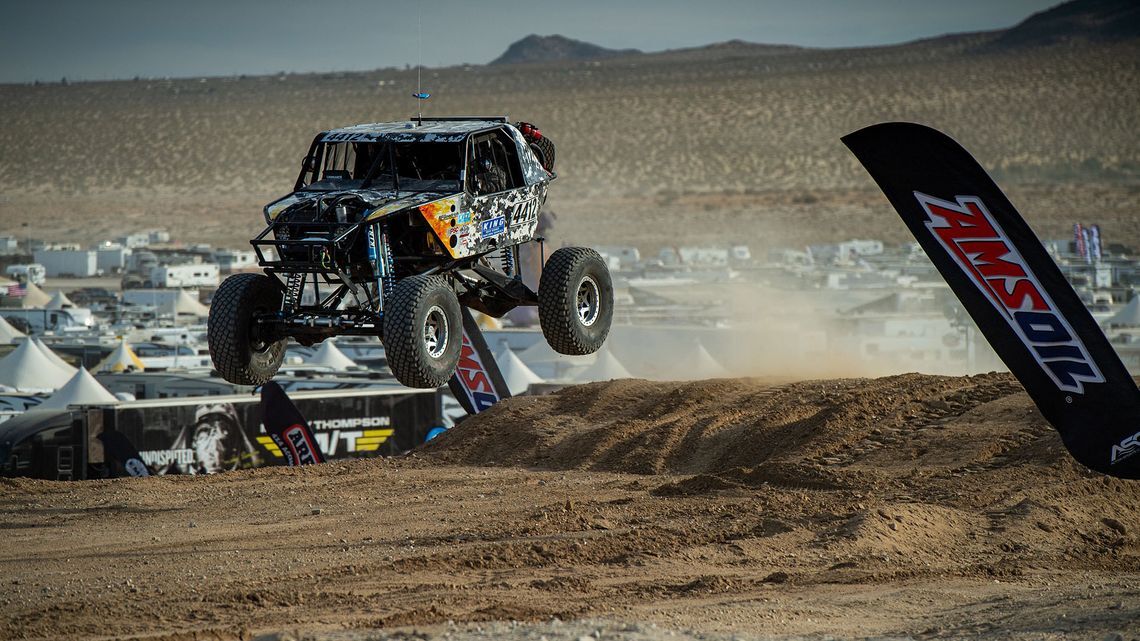
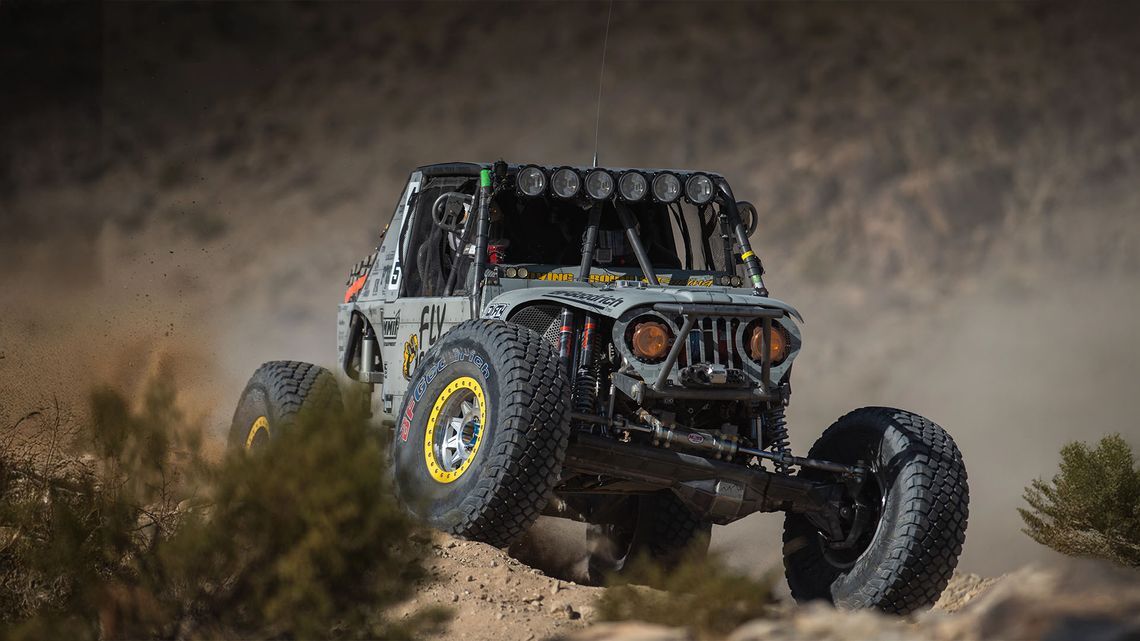
The extreme topography of Johnson Valley, its mix of open desert and jagged rock, demanded a whole new kind of vehicle. The result? The birth of the Ultra4 car.
A hybrid between a trophy truck and a rock crawler, Ultra4s combined speed, power, and precision like nothing before them:
800+ horsepower
Four-wheel drive
Long-travel suspension
Massive tires on flexible axles
They were engineered not for comfort, but for chaos, purpose-built to dominate both desert straights and brutal climbs.
The creation of the Ultra4 car didn’t just make King of the Hammers possible. It redefined what off-road racing could be.
What started as a dusty weekend experiment became a sport in its own right, one that blurred the lines between driver, builder, and adventurer.
Johnson Valley, once a forgotten desert training ground, had found its crown.
And every February, Hammertown rises again to defend it.
To see the action for yourself, check out
Frequently asked questions
BFGoodrich answers your most asked questions.
FAQ
An off-road race in the California desert that combines high-speed desert racing with technical rock crawling in a single event, which is why it has a reputation as the toughest off-road race in the world. It grew from an informal challenge between friends into a major annual fixture.
The temporary city that forms in the desert for the event, housing teams, spectators, and support operations for the duration of race week before disappearing entirely. It is a defining part of the event's character and one of the reasons attending is treated as an experience rather than a spectator outing.
Because it demands two things that usually require different vehicles. Desert racing rewards speed and suspension travel. Rock crawling rewards clearance, articulation, and patience. A vehicle that survives both, driven by someone who can do both, is a rare combination, and the attrition rate reflects it.